

Hey Deacon!
What happens to us when we die?
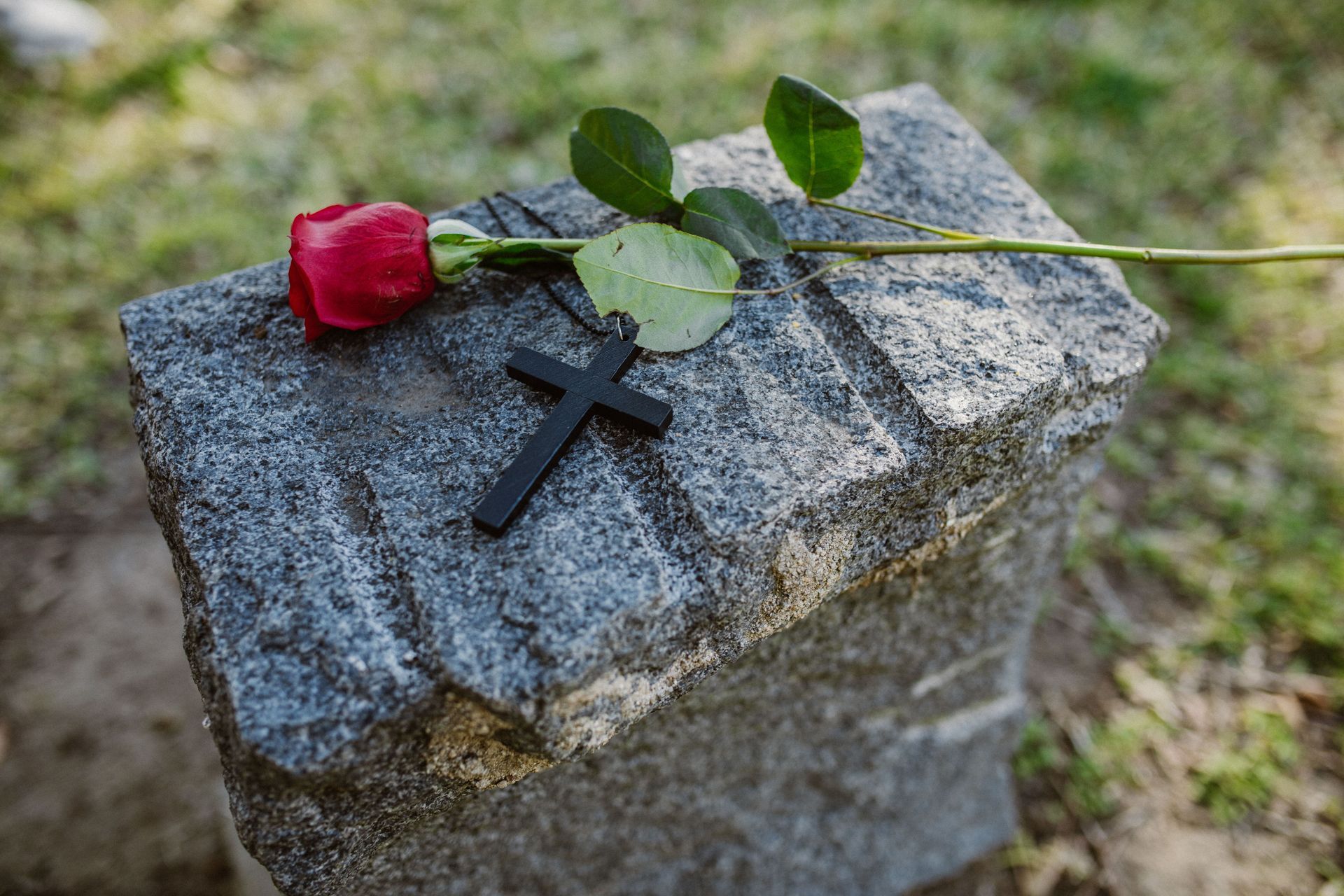
A recent dinner conversation with another Catholic couple turned to a question many people ask: What happens when we die? After sharing some basic points of Catholic teaching, I realized it might be helpful to provide a brief overview of what the Church teaches about death, judgment, purgatory, hell, and the hope of the resurrection.
The Compendium of the Catechism of the Catholic Church teaches that death separates the soul from the body. The body dies, but the soul is immortal and goes before God for judgment, awaiting the resurrection of the dead. At Christ's return, the body will be raised and transformed, reunited with the soul. Christian hope is not merely that the soul survives death, but that God will redeem and raise the whole person.
Death also brings each life before God. The Catechism teaches that every person faces judgment after death. Pope Benedict XVI explains that "our life-choice becomes definitive": the direction we have chosen through our lives and decisions stands revealed before God. This truth is not meant to inspire fear or despair, but to remind us that our response to God, truth, and love has lasting significance. It is a call to seek God's mercy and allow his grace to shape us here and now.
Purgatory is the final purification of those who die in God's friendship but still need to be cleansed of the effects of sin before entering heaven. The Catechism describes it as "this final purification of the elect, which is entirely different from the punishment of the damned." Purgatory is neither a second chance to choose God nor a temporary form of hell. Rather, it is the completion of God's healing work in those who already belong to him. The International Theological Commission emphasizes that this purification is rooted in love: those being purified remain "alive in the love of Christ." Their suffering is not the despair of rejection, but the painful joy of being made ready for full communion with God.
Because the faithful departed remain in God's loving care, the Church prays for them, especially in the Eucharist. We commend our loved ones to God without claiming to know who is in purgatory or how long purification takes. Our prayer expresses hope and charity, entrusting the dead to the Lord’s mercy.
Hell, by contrast, is the definitive loss of communion with God. The Catechism teaches that hell is eternal separation from God, in whom alone we find the life and happiness for which we were created. It also teaches that this separation results from a person's free choice to reject God through mortal sin. We should speak of hell seriously but with humility. The Church's teaching warns us about the consequences of rejecting divine love, but it does not authorize us to judge the eternal fate of any particular person.
These teachings hold together hope and responsibility. Purgatory reminds us that God’s grace can purify and heal; hell reminds us that love and freedom are real. As we await the resurrection of the dead, let us seek God's mercy, grow in charity, and pray for those who have died, entrusting them with confidence to the Lord's loving care.